
Toyota Hyryder 7-Seater Spied Testing: 27 Kmpl Strong Hybrid, 3-Row Seating & Launch Expectations

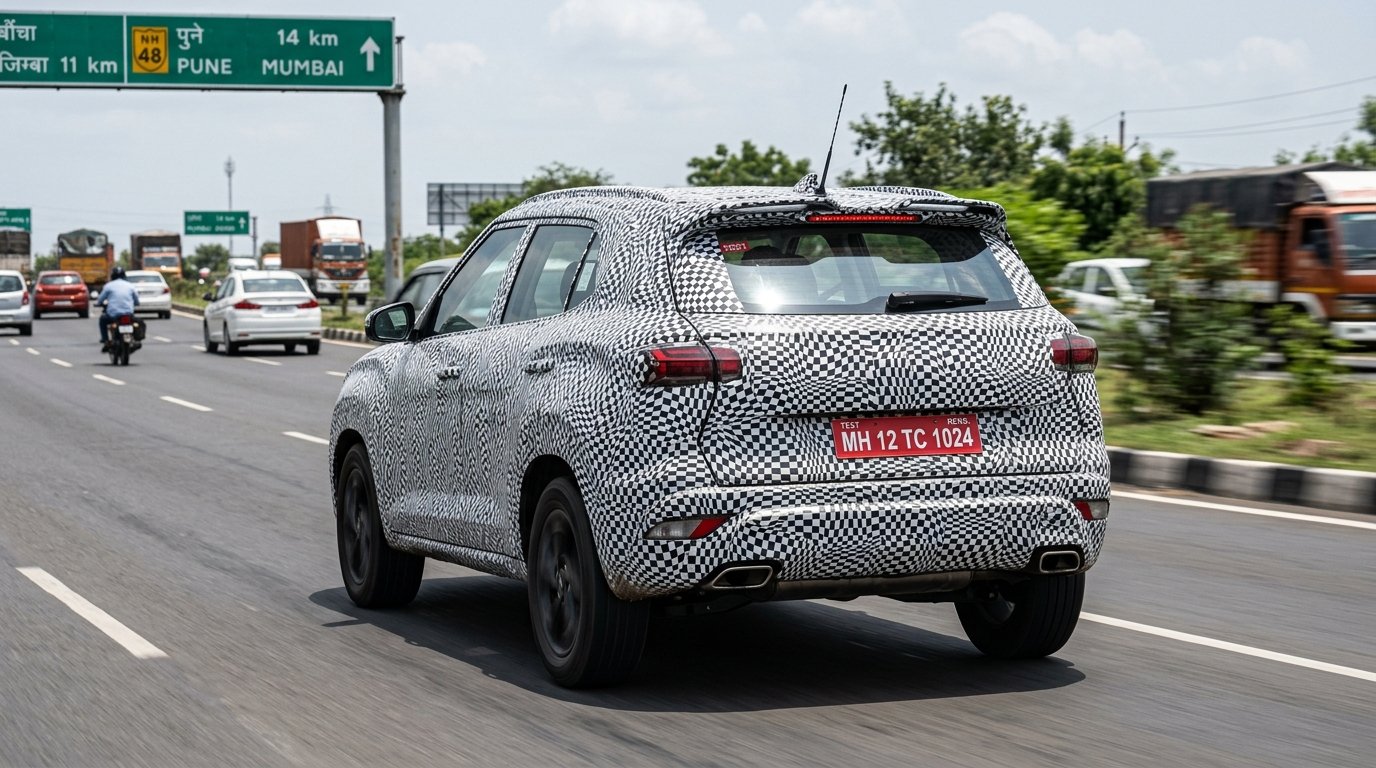
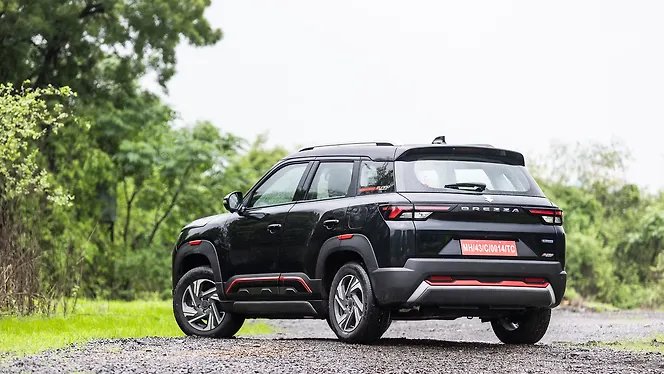
The Hybrid Alternative to Diesel 7-Seaters
In the Indian family car market, buyers requiring three rows of seating have historically been forced toward heavy diesel-powered SUVs like the Mahindra XUV700 and Tata Safari. However, with tightening emissions standards, potential 10-year diesel bans in the National Capital Region, and escalating fuel prices, families are seeking a cleaner, more economical alternative. Enter the upcoming Toyota Hyryder 7-Seater—a three-row derivative of the acclaimed Toyota Urban Cruiser Hyryder.
As consumer interest in upcoming cars in India 2026 shifts toward sustainable mobility, this vehicle will be Toyota's trump card. Combining true 7-passenger utility with Toyota’s bulletproof self-charging strong-hybrid technology, it promises unmatched running costs among hybrid cars in India, 7-seater SUV cars, and MUV cars in India.
---
Stretched Wheelbase, Dimensions & Rear Quarter Styling
To accommodate an adult-friendly third row without compromising boot usability, Toyota engineers extended the global C-platform wheelbase by approximately 100 mm. The rear overhang has also been lengthened with a more upright tailgate and enlarged rear quarter windows to prevent third-row passengers from feeling claustrophobic.
Key estimated dimensions include: - Overall Length: 4,465 mm (100 mm longer than the standard 5-seater Hyryder) - Width: 1,795 mm (ensuring easy city maneuverability and lane positioning) - Height: 1,655 mm (providing generous headroom throughout all three rows) - Wheelbase: 2,700 mm (yielding spacious second-row slide-and-recline travel) - Ground Clearance: 205 mm unladen (sufficient to conquer waterlogged underpasses and rural roads) - Boot Space: ~220 liters with all three rows upright, expanding past 580 liters when the third row is folded 50:50 flat into the floor
The front end preserves Toyota’s signature Urban Cruiser styling with a crystal acrylic grille garnish, twin-LED daytime running lights, and projector LED headlamps, distinguished by redesigned front bumper cladding and exclusive 18-inch machine-cut alloy wheels.
---
27.97 Kmpl Self-Charging Hybrid: Zero Charging Cables Required
The core differentiator of the 7-seater Hyryder is its self-charging strong-hybrid powertrain: - 1.5L TNGA Atkinson-Cycle Petrol Engine: Produces 92 PS and 122 Nm torque - Synchronous Electric Motor: Generates 80 PS and 141 Nm instant torque - Combined System Output: 116 PS delivered seamlessly through an electronic continuously variable transmission (e-CVT) - Lithium-Ion Battery Pack: Compact, high-power battery mounted beneath the floor that automatically recharges via regenerative braking and engine output
Unlike plug-in electric vehicles that require dedicated wallbox chargers, the strong-hybrid system is 100% self-contained. In dense stop-and-go city traffic in Mumbai or Delhi, the vehicle runs on pure electric (EV) mode for up to 50% to 60% of typical commute cycles, yielding real-world city fuel economy figures of 23.5 to 25.0 kmpl and an ARAI certified rating of 27.97 kmpl.
---
Cabin Practicality, Third-Row Amenities & Level-2 ADAS
Inside, the cabin offers both 6-seater (with middle-row captain chairs) and 7-seater (with a 60:40 split-folding middle bench) configurations. A simple one-touch lever flips and slides the second-row seats forward, allowing easy ingress and egress into the third row.
Dedicated third-row passenger conveniences include: - Roof-mounted air-conditioning blower vents with an independent 3-stage fan speed controller - Dual Type-C fast-charging ports and dedicated smartphone storage pockets - Cup holders integrated into both side armrests - Reclining third-row backrests with adjustable head restraints
The dashboard features a 10.25-inch floating touchscreen with wireless smartphone connectivity, a head-up display, ventilated front seats, a panoramic sunroof, and Toyota Safety Sense ADAS (autonomous emergency braking, lane trace assist, and adaptive cruise control).
---
Expected Pricing, Launch Timeline & Value Proposition
The Toyota Hyryder 7-Seater is slated for an official market premiere in late 2026, with an estimated ex-showroom pricing hierarchy:
- 1.5L Neo Drive Petrol (Mild Hybrid) Manual / AT: ₹ 14.50 Lakh to ₹ 17.50 Lakh
- 1.5L Strong Hybrid E-CVT Trims: ₹ 18.99 Lakh to ₹ 23.50 Lakh
This bracket places the model in prime contention for buyers looking at cars under 25 lakh. For families who want the space of an MUV with the low running costs of an electric car and zero range anxiety, this upcoming hybrid represents a compelling alternative. Explore the full Toyota cars in India portfolio, execute side-by-side spec comparisons with our compare 7-seater family cars tool, check out car offers & discounts, or contact authorized Toyota dealerships for advance booking announcements.
Vivek leads technical evaluations, ARAI mileage audits, and electric vehicle testing at VehicleDekhe. He has road-tested over 500 vehicles across India and authored independent analyses on high-voltage battery degradation, RTO taxation structures, and Bharat NCAP crash safety ratings.